.png)
Fire Marshal Duties and Responsibilities

Every workplace needs trained individuals who can respond effectively during a fire emergency. Fire Marshals (also known as Fire Wardens) play a central role in maintaining fire safety standards and helping everyone evacuate safely when needed. But what exactly does this role entail and why is it so important?
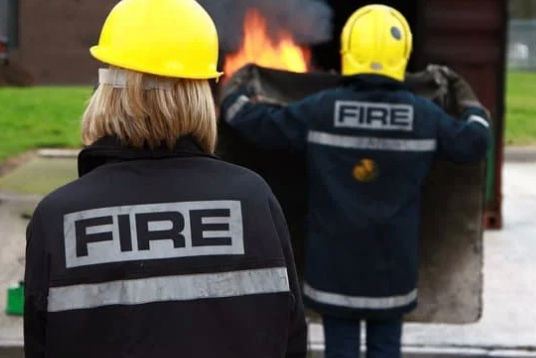
What is a Fire Marshal?
A Fire Marshal is a designated employee who has received specific training (Fire Marshal Training) to assist with fire safety management within a workplace. Under the Regulatory Reform (Fire Safety) Order 2005, employers must appoint competent persons to help implement fire safety measures. Fire Marshals fulfil this requirement, acting as the first line of defence in fire emergencies.
Unlike professional firefighters, Fire Marshals are not expected to fight fires.
Their primary responsibility is getting everyone out safely and following proper procedures.
Key Responsibilities of a Fire Marshal
During Normal Operations
Fire Marshals can have ongoing duties that help maintain fire safety standards:
Conducting Regular Inspections:
Check fire exits remain unlocked and unobstructed.
Verify fire doors close properly and aren't wedged open.
Confirm fire extinguishers and blankets are accessible and properly maintained.
Test emergency lighting functions correctly.
Monitor combustible materials aren't stored near heat sources.
Maintaining Awareness:
Stay familiar with evacuation routes and assembly points.
Know the location of all firefighting equipment (especially within your area).
Understand which fire extinguisher types suit different fires.
Monitor day to day fire safety practices like housekeeping and storage.
Report any fire safety concerns to management immediately.
Supporting Fire Risk Assessments: Fire Marshals can help identify fire hazards, check escape routes remain clear and report issues that could increase fire risk. However, Fire Marshals are not typically responsible for carrying out the formal Fire Risk Assessment itself. Under the Regulatory Reform (Fire Safety) Order 2005, this duty falls to the responsible person (usually the employer), who must either conduct it themselves if competent or appoint a qualified internal or external assessor. Fire Marshals may support this process by providing valuable on-the-ground observations and feedback.
Promoting Fire Safety Culture:
Help new staff understand fire procedures.
Remind colleagues about fire safety basics.
Organise and participate in fire drills.
Keep fire action notices visible and up-to-date.
During Fire Emergencies
When the alarm sounds, Fire Marshals spring into action.
Initial Response:
Put on their high-visibility vest for easy identification.
Give calm, clear instructions to those nearby.
Direct people to the nearest safe exit.
Help vulnerable persons who may need assistance.
Never put themselves or others at unnecessary risk.
Area Sweeps Fire Marshals must (if safe) check their designated areas to confirm no one is left behind. This involves:
Checking toilets, meeting rooms and other spaces people might be.
Closing doors and windows where safe to do so.
Not opening doors if handles feel hot (fire may be behind).
Never approaching the fire or putting themselves in danger.
Noting if someone refuses to leave and informing emergency services.
At the Assembly Point Once outside, Fire Marshals:
Conduct a roll call using staff registers.
Account for visitors and contractors.
Report their findings to the senior Fire Marshal.
Prevent anyone from re-entering the building.
Provide information to the fire service when they arrive.

How Many Fire Marshals Does a Workplace Need?
The number required depends on your workplace size, layout and risk level. As a general guide:
Low-risk workplaces: 1 Fire Marshal per 50 occupants/workers.
Medium-risk workplaces: 1 Fire Marshal per 20 occupants/workers.
High-risk workplaces: 1 Fire Marshal per 15 occupants/workers.
Larger buildings may need Fire Marshals on each floor or in different zones. You should also consider shift patterns. Fire Marshals must be present whenever the building is occupied.
Training Requirements
Fire Marshals need proper training to fulfil their duties effectively. A typical Fire Marshal training course covers:
Fire behaviour and how fires spread.
UK fire safety legislation.
Conducting/Assisting fire risk assessments.
Emergency evacuation procedures.
Using firefighting equipment safely.
Supporting vulnerable persons.
Conducting area sweeps and roll calls.
It is recommended that Fire Marshal training is refreshed every three years to keep knowledge current.
Personal Emergency Evacuation Plans (PEEPs)
Fire Marshals play a vital role in helping individuals who need additional support during evacuation. Under the Equality Act 2010, employers must make reasonable adjustments for disabled employees.
PEEPs are bespoke evacuation plans for people who cannot evacuate unaided due to:
Mobility impairments.
Sensory impairments (hearing or visual difficulties).
Cognitive conditions.
Temporary conditions (pregnancy, injury).
Mental health conditions affecting emergency response.
Fire Marshals should be familiar with any PEEPs in their area and know who requires assistance.
Download your free Personal Emergency Evacuation Plans (PEEPs) Template:
Fire Safety Equipment: When to Use It
Fire Marshals receive training on firefighting equipment, but should only attempt to tackle fires when:
The fire is very small (e.g. containable with one extinguisher).
An escape route remains clear.
The alarm has been raised.
They're not working alone.
They can achieve a quick result.
It is safe to do so!
If the fire doesn't extinguish almost immediately, Fire Marshals must evacuate with everyone else. Personal safety always comes first.
Understanding Fire Classes
Different fires require different extinguishing methods:
Class A: Flammable solids (paper, wood, plastic)
Class B: Flammable liquids (petrol, oil, paint)
Class C: Flammable gases (propane, butane)
Class D: Metals (aluminium, magnesium)
Class E: Electrical equipment fires
Class F: Cooking oils and fats
Using the wrong extinguisher type can be dangerous, water on electrical fires, for example, creates electrocution risks.

Common Fire Hazards in Workplaces
Fire Marshals should recognise typical hazards:
Electrical Faults: Faulty wiring, overloaded circuits and malfunctioning equipment generate heat and sparks that can ignite nearby materials.
Poor Housekeeping: Accumulated waste, particularly near heat sources, provides fuel for fires. Regular cleaning and proper waste disposal are needed.
Flammable Materials: Chemicals, cleaning products and fuels require proper storage away from ignition sources.
Heating Equipment: Portable heaters and boilers can overheat, particularly when dust builds up or items are stored too close.
Kitchen Fires: Unattended cooking equipment and grease build-up create significant risks in workplace kitchens.
External Risks: Fires can start outside from bins, deliveries or even arson. Securing doors and maintaining tidy external areas helps mitigate these risks.
The Importance of Fire Drills
Regular fire drills are a legal requirement and provide invaluable practice. The Regulatory Reform (Fire Safety) Order 2005 mandates regular testing of emergency procedures.
Fire drills should be conducted:
At least annually (minimum).
More frequently for complex buildings or high-risk activities.
After significant building changes.
Following updates to emergency procedures.
Fire Marshals play a key role during drills, practising their sweep duties, timing evacuations and identifying any issues with the emergency plan.
Common Challenges Fire Marshals Face
Complacency: People may ignore alarms, assuming they're just drills or false alarms. Fire Marshals must treat every alarm as real and encourage others to do the same.
Blocked Exits: Deliveries, storage or equipment can obstruct escape routes. Regular checks help prevent this dangerous situation.
Disabled Alarm Systems: Some workplaces inappropriately disable alarms during certain activities. This creates unacceptable risks.
Incomplete Training: Fire Marshals need proper, up-to-date training to fulfil their duties confidently and effectively.

Frequently Asked Questions
Can Fire Marshals refuse the role?
Yes, employees cannot be forced to become Fire Marshals. However, employers must appoint competent persons, so someone must fulfil this role.
Do Fire Marshals need special qualifications?
No formal qualifications are required, but appropriate training is needed. Courses typically last 3-4 hours and should be refreshed every three years.
What if a Fire Marshal isn't available during an emergency?
Workplaces should have sufficient Fire Marshals to cover all times. This might mean training extra people to cover absences and holidays.
Are Fire Marshals legally responsible if something goes wrong?
The responsible person (usually the employer) has the primary legal duty. However, Fire Marshals should fulfil their role competently and as trained.
Can visitors or contractors be Fire Marshals?
Fire Marshals should be regular employees familiar with the premises. However, long-term contractors working on-site regularly might be trained if appropriate.
How long does Fire Marshal training take?
Typical courses last 3-4 hours, though this can vary based on workplace complexity and risk level.
What's the difference between a Fire Marshal and a Fire Warden?
These terms are largely interchangeable in the UK, both referring to the same role.
Do Fire Marshals need to work in health and safety departments?
No, Fire Marshals can come from any department. Having Fire Marshals throughout the organisation provides better coverage.
Conclusion
Fire Marshals are vital to workplace safety, providing support before, during and after fire emergencies. Their duties extend beyond emergency response to include ongoing vigilance, equipment checks and promoting fire safety awareness.
Proper training, regular refreshers and organisational support help Fire Marshals fulfil this role effectively. By understanding their responsibilities and having clear procedures, Fire Marshals can help get everyone home safely.
If you're considering becoming a Fire Marshal or need to appoint Fire Marshals in your workplace, proper training is needed. At DuoDynamic Safety Solutions, we provide comprehensive Fire Marshal training that equips individuals with the knowledge and confidence to fulfil this important role.


This is a very wonderful piece on Fire Marshals duties and responsibilities.
I am very sure whoever comes across this well articulated and comprehensive expose will greatly appreciate it as I do, ofcourse from the point of fire safety management in the workplace.